
Data-Driven Gains: Effective Techniques to Track and Analyze Workout Progress
Most people guess workout progress tracking means just counting reps and sets. But missing key data like recovery and training load stalls real gains. This post breaks down simple ways to track and analyze your workouts for steady improvement. You’ll see how Workout Wire makes logging, insights, and community challenges easy to stay motivated and consistent. Learn more here.
Proven Tracking Methods
Jumping into tracking your workouts can feel overwhelming, but it’s simpler than you think. With a few tested strategies, you can start seeing real progress without getting bogged down.
Beginner Workout Tracking Tips
When you’re starting, tracking your workouts doesn’t need to be complicated. Begin with a simple approach. Use a notebook or an app to jot down your exercises, sets, and reps. It’s about building a habit of recording details consistently. Note how you feel after each workout. Tired? Energized? This helps you understand your body’s signals and adjust future sessions. Share your progress with a friend or online community for accountability. This small step can push you to stick with it. Try using a fitness progress app that makes logging easy, so you spend more time working out and less time figuring out how to record it all.
Advanced Performance Tracking Tools
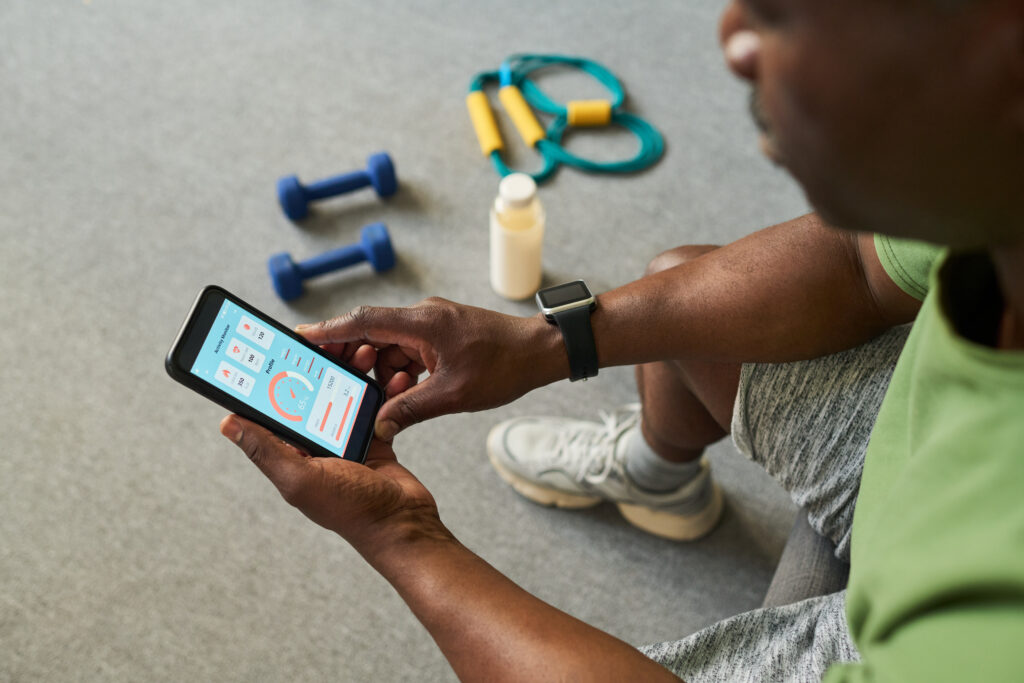
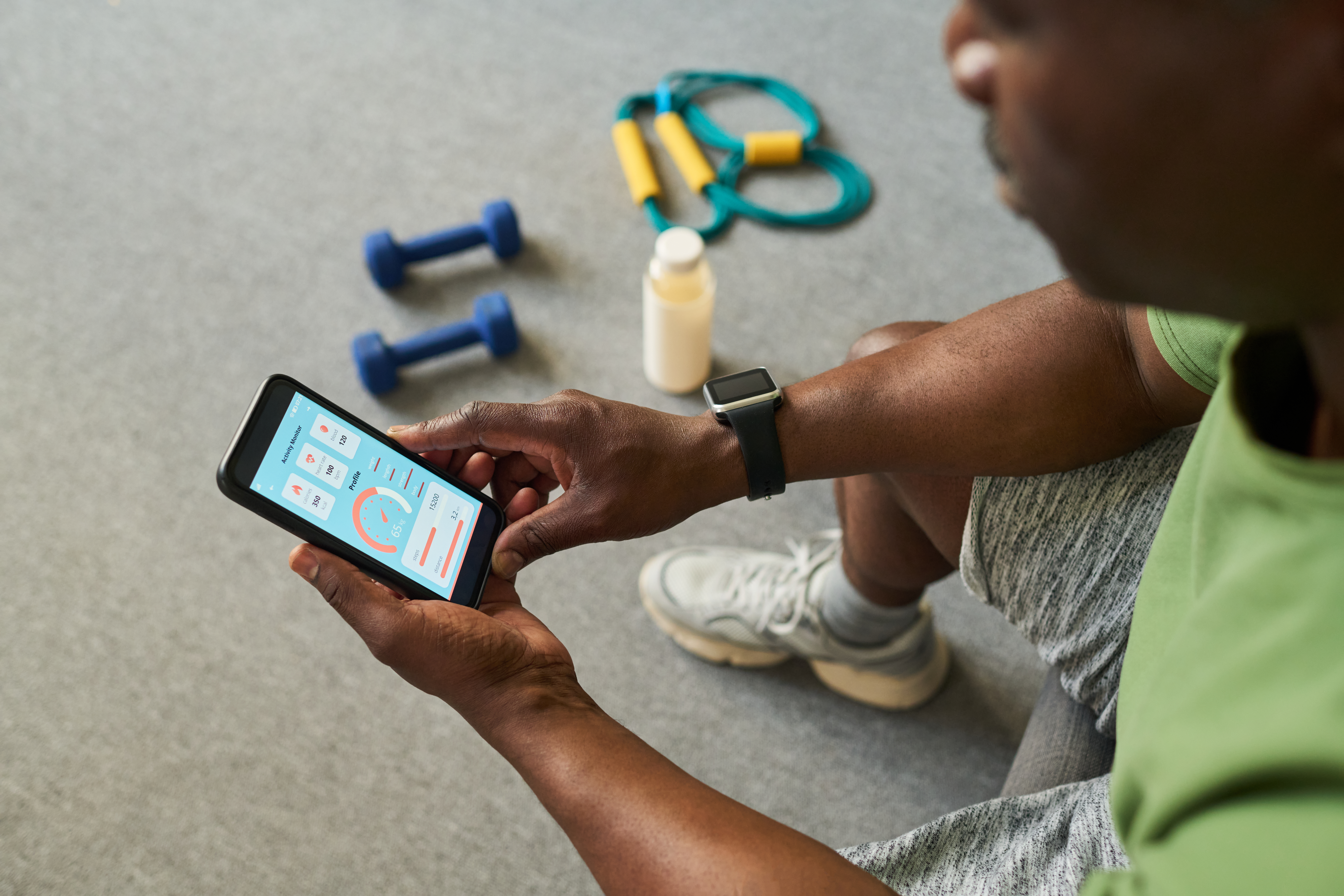
Ready to dig deeper? Advanced tools can provide more data. Consider using apps that track specific metrics like heart rate and calories burned. These insights help refine your training plan. Apps like Workout Wire can generate personalized workouts that evolve as you improve, offering a tailored experience. Dive into the details by tracking your training volume and intensity. Use tech to your advantage. Wearables can sync with your phone, giving a comprehensive view of your performance over time. This technology makes it easier to identify patterns and optimize your routine.
Using Progress Photos and PR Tracking 📈
Capturing progress photos regularly can be a powerful motivator. Photos highlight changes that aren’t always visible in the mirror. Take front, side, and back shots every month. This visual record makes fluctuations in weight or muscle growth clear. Pair photos with PR (personal record) tracking for a comprehensive view of your progress. Each time you lift heavier or run faster, note it down. Celebrate these milestones to maintain momentum. This combination of visual evidence and personal bests offers a holistic view of how your efforts are paying off.
The Power of Workout Analytics

Understanding the numbers behind your workouts can transform your approach. Analytics make it easier to adapt and improve over time, ensuring you keep moving toward your goals.
Understanding Training Volume and Intensity
Knowing your training volume and intensity is crucial. Volume is the total amount of weight lifted in a session, while intensity refers to the effort level. Tracking these helps you balance your workouts. Too much volume without adequate recovery can lead to burnout. Conversely, insufficient intensity might stall progress. Use this data to tweak your routine for better results. Apps can summarize this information, providing a clear picture of what works and what doesn’t, helping you make informed decisions about your training plan.
Using RPE Scale and One-Rep Max Tracking
The RPE (Rate of Perceived Exertion) scale is a simple way to gauge workout intensity. Rate your effort from 1 to 10 after each session. This subjective measure helps adjust future workouts to avoid overtraining. Combine RPE with one-rep max tracking for a comprehensive view. Your one-rep max is the maximum weight you can lift for one repetition. Track this across different exercises to see strength gains. Regularly testing your one-rep max keeps you aware of your progress and helps set realistic goals.
Data-Driven Training for Steady Gains 📊
Training based on data eliminates guesswork. You can see what’s working and what’s not. Use an app to collect and analyze your workout data. Look for patterns and trends—perhaps you lift more in the evening or perform better after a rest day. This information lets you optimize your schedule and workouts for maximum benefit. By focusing on numbers, you remove emotions from training decisions, leading to smarter, more effective sessions.
Community and Recovery

Beyond the numbers, community and recovery play vital roles in fitness success. Engaging with fellow enthusiasts and allowing your body to rest are key components of a balanced regimen.
Fitness Community Challenges and Support
Engaging with a fitness community can boost motivation. Challenges create a sense of camaraderie and push you to improve. Join groups online or in-person for support and accountability. Platforms like Reddit offer spaces for sharing tips and encouragement. Participating in challenges with friends or online communities turns workouts into a social experience, making it more enjoyable and less of a chore. The encouragement from others can drive you to achieve more than you’d manage alone.
Importance of Recovery and Rest Days
Rest days aren’t lazy days. They’re crucial for muscle growth and preventing burnout. Muscles repair during rest, leading to stronger fibers. Aim for at least one full rest day a week. On these days, focus on light activities like stretching or walking. Signs of inadequate recovery include persistent soreness and fatigue. Listen to your body and adjust as needed. Remember, skipping rest can stall your progress, making it vital to prioritize recovery in your routine.
AI Workout Planner Benefits and Insights 🤝
An AI workout planner can revolutionize your approach. It adapts to your progress, offering tailored plans that evolve with you. These apps provide insights and suggestions based on your data. You’ll receive workout options matched to your goals and fitness level, saving time and effort. The planner tracks progress, highlights areas for improvement, and helps maintain motivation. With AI, you’re not just guessing—you’re making informed decisions that drive success.
By incorporating these strategies, tools, and insights, you’ll gain control over your fitness journey. Consistent tracking and analysis empower you to make smarter choices and achieve your goals. Keep pushing forward, and remember: progress is a marathon, not a sprint.