

9 Essential Workout Metrics to Track for Clearer Progress and Fewer Plateaus
Tracking your workouts without clear metrics is like running blindfolded. You might be putting in the effort, yet progress stalls and plateaus appear out of nowhere. The key to consistent gains lies in monitoring specific workout data points—and that’s where a smart workout tracker changes everything. In this post, you’ll learn which 9 essential metrics to track, how Workout Wire’s AI workout planner simplifies this, and how to break through plateaus for steady strength progress tracking. Learn more about breaking plateaus in your fitness journey here.
Key Workout Metrics to Track

To make your workouts count, you need to know what you’re tracking. Let’s dive into the key metrics that will help you see real progress.
Importance of Tracking Sets and Reps
Sets and reps are the backbone of any workout plan. Tracking them helps you understand your routine’s structure and effectiveness. By keeping a log, you can ensure you’re progressively challenging your body. When you track these elements, you can easily spot patterns and areas for improvement.
Consider aiming for a specific number of sets and reps each week. This helps in maintaining consistency and knowing when to ramp up. It’s also a great way to prevent overtraining. Remember: seeing progress on paper can be just as motivating as seeing it in the mirror.
Understanding Training Volume and Intensity
Volume and intensity are crucial for achieving your fitness goals. Volume refers to the total amount of weight lifted over a session, while intensity is about how heavy the weight is. Balancing these can enhance your gains significantly. You’ll want to gradually increase both to avoid plateaus.
Regularly assess your training volume and intensity. Are you lifting more or heavier than last month? If not, it might be time to adjust. These metrics are essential for ensuring you’re on the right path and making the most of your gym time.
Benefits of Monitoring Rest Times
Rest times can be just as important as the exercises themselves. By monitoring how long you rest between sets, you can influence your workout’s effectiveness. Shorter rest periods might improve endurance, while longer ones can boost strength.
Experiment with different rest times to see what works best for your goals. Keeping track of these pauses ensures you’re not resting too long or too little. It’s a simple adjustment that can lead to noticeable results over time.
Advanced Metrics for Progress
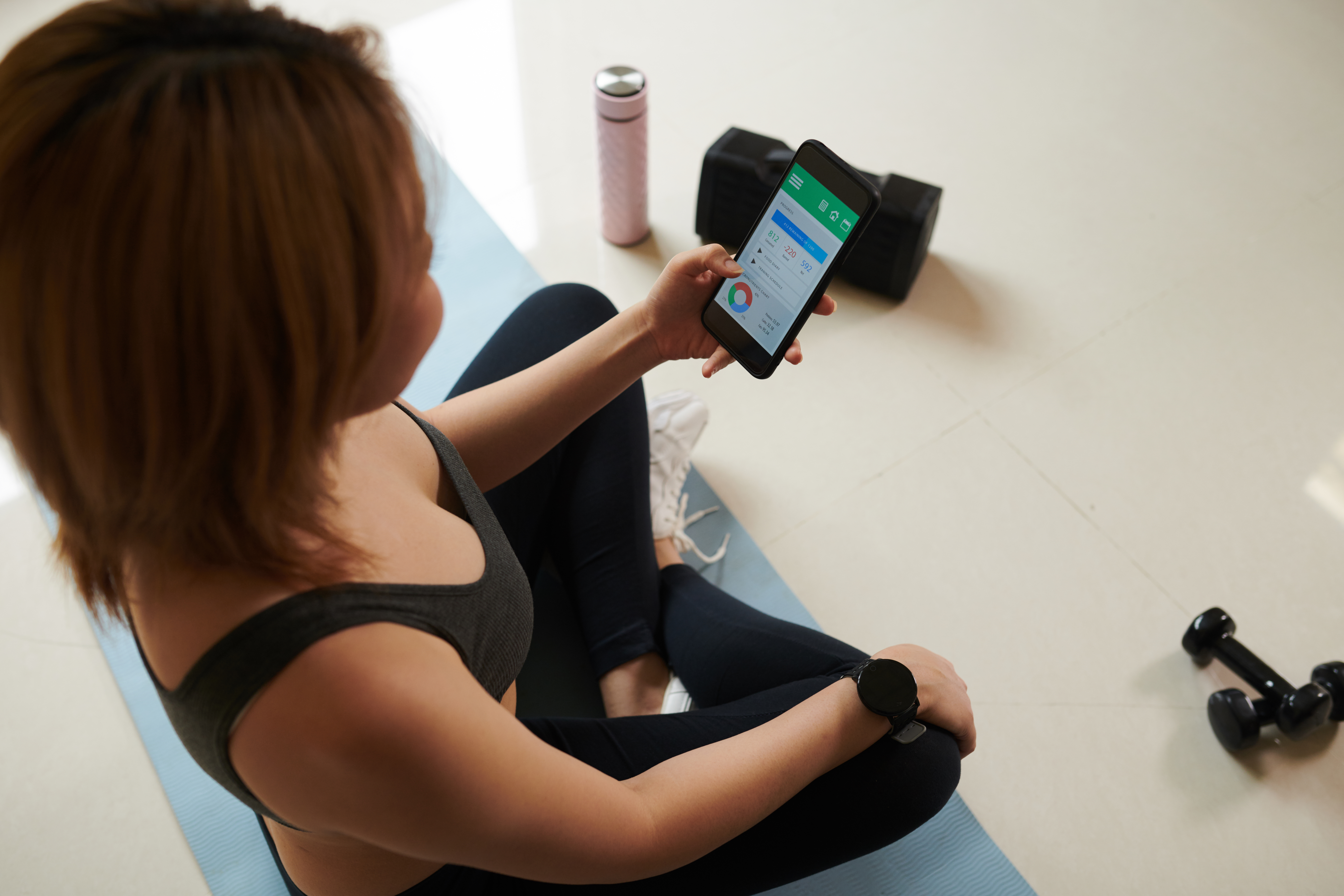
As you progress, consider tracking more advanced metrics. These will provide deeper insights into your workouts and help break through any stagnation.
Utilizing the RPE Scale
The Rate of Perceived Exertion (RPE) scale is a valuable tool for gauging effort. It helps you listen to your body and adjust workout intensity accordingly. By using this scale, you ensure you’re pushing hard enough without overdoing it.
Start by rating your exertion from 1 to 10 after each set. Are you consistently hitting the right RPE for your goals? This method is both intuitive and effective, helping you fine-tune your training without needing complex equipment.
Tempo Training for Better Results
Tempo training involves varying the speed of your reps. This technique can improve control, strength, and muscle growth. By focusing on the tempo, you’ll engage muscles differently and make workouts more challenging.
Track the time taken for each phase of a lift: concentric, eccentric, and pause. Experiment with different tempos to find what enhances your results. It’s a subtle tweak that can make a big difference in how you train.
Estimating Your 1RM
Estimating your one-rep max (1RM) offers a benchmark for strength. It’s the maximum weight you can lift for one repetition. Knowing your 1RM can help tailor your workouts to be more effective and goal-oriented.
Regularly update your 1RM estimates to track strength gains. This metric not only motivates but also helps in setting realistic targets. Use it to adjust intensity levels and ensure continuous progress.
Leveraging Workout Wire for Success
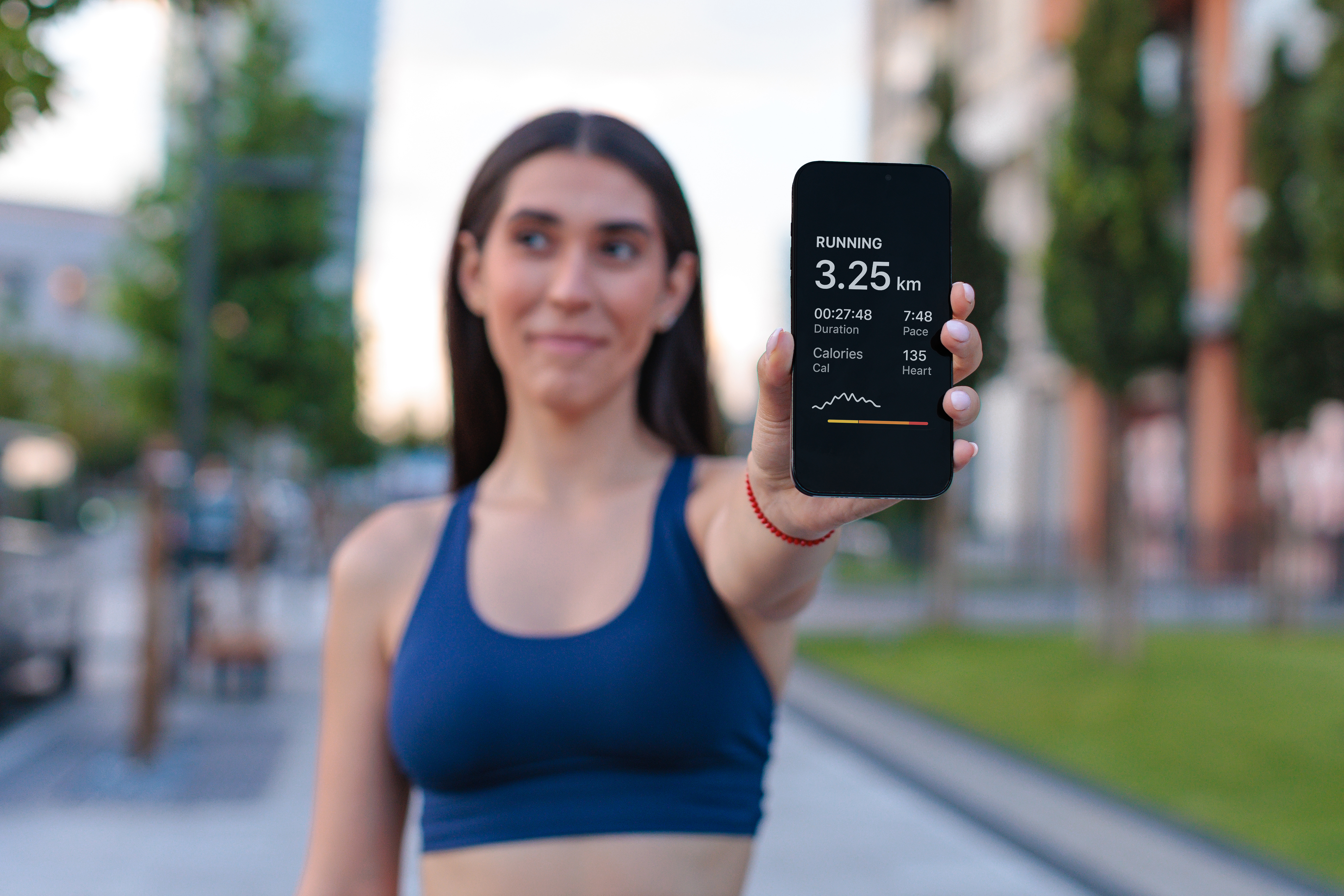
Now that you understand the metrics, let’s see how Workout Wire can make tracking them hassle-free. This app is designed to support your journey with ease.
Sync Sleep and Recovery Data
Sleep and recovery are vital for making progress. Workout Wire lets you sync this data for an all-encompassing view of your fitness. Proper rest enhances performance, so don’t overlook it.
With synced data, you can correlate sleep patterns with performance. Identify what affects your recovery and make necessary changes. It’s about ensuring you’re in the best shape to achieve your goals.
Weekly Volume and Readiness Score
Workout Wire offers insights into your weekly volume and readiness. This feature helps you gauge if you’re doing too much or too little. It’s like having a personal coach in your pocket.
Use these scores to adjust your training plan. Are you ready to push harder, or do you need a lighter week? These insights help maintain balance, keeping you on track for success.
Joining the Plateau Breakers Challenge
Breaking through plateaus is crucial for progress. Workout Wire’s Plateau Breakers Challenge encourages you to push past limits with community support. It’s a chance to refresh your routine and get inspired.
Join the challenge to stay motivated and accountable. Engage with others facing the same hurdles and celebrate breakthroughs together. Sometimes, all you need is a little push and some friendly competition to reignite your drive.
By tracking these essential metrics and leveraging tools like Workout Wire, you can see clearer progress and avoid frustrating plateaus. Remember, the journey to fitness success is as much about smart planning as it is about hard work.